
Play-Based Learning in Las Vegas: How Children Learn at Martlet Academy
Parents hear the phrase everywhere. Here is what play-based learning looks like in our classrooms, how it builds the skills kindergarten asks for, and what to look for when you tour any preschool.
Play Is How Young Children Do Their Work
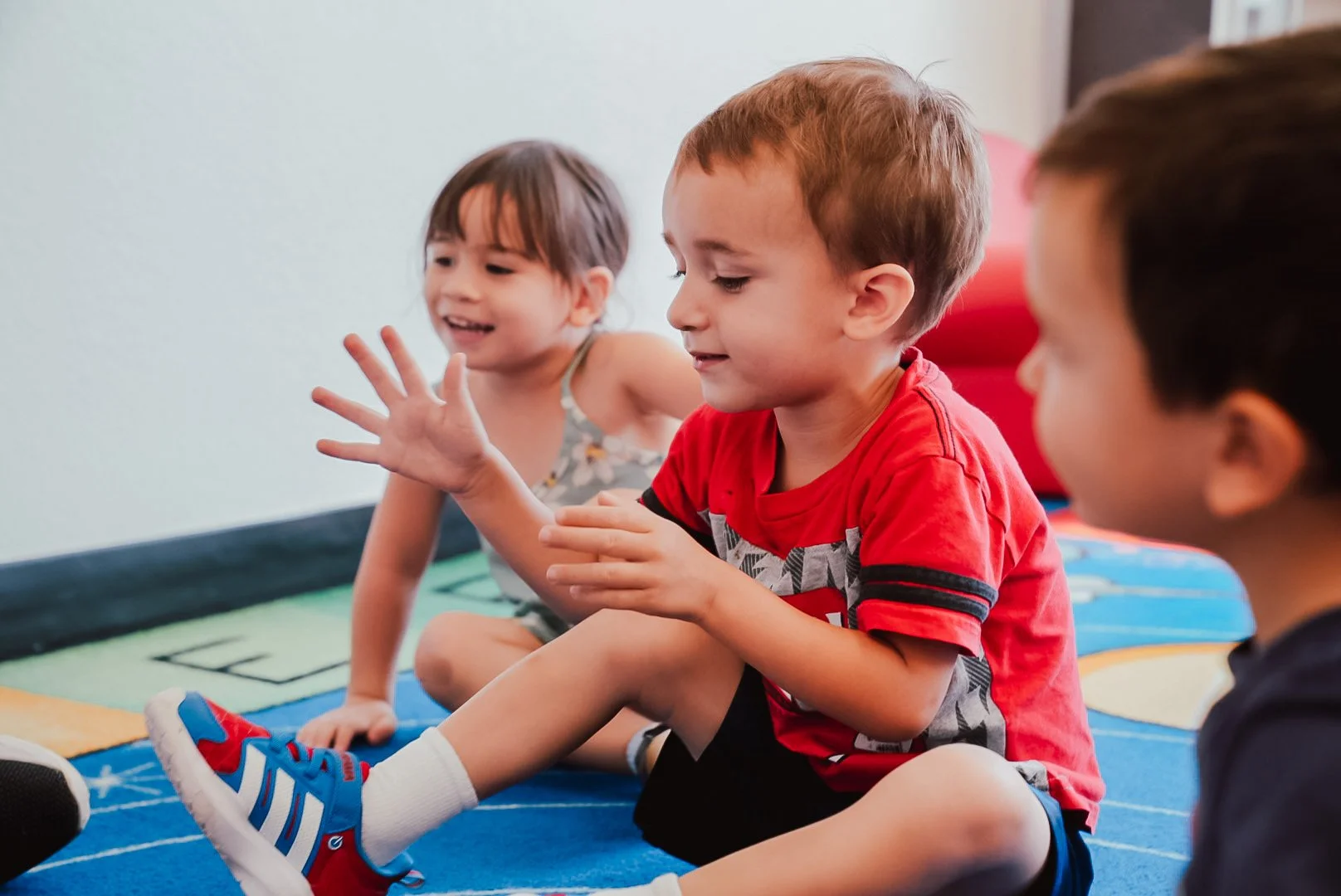
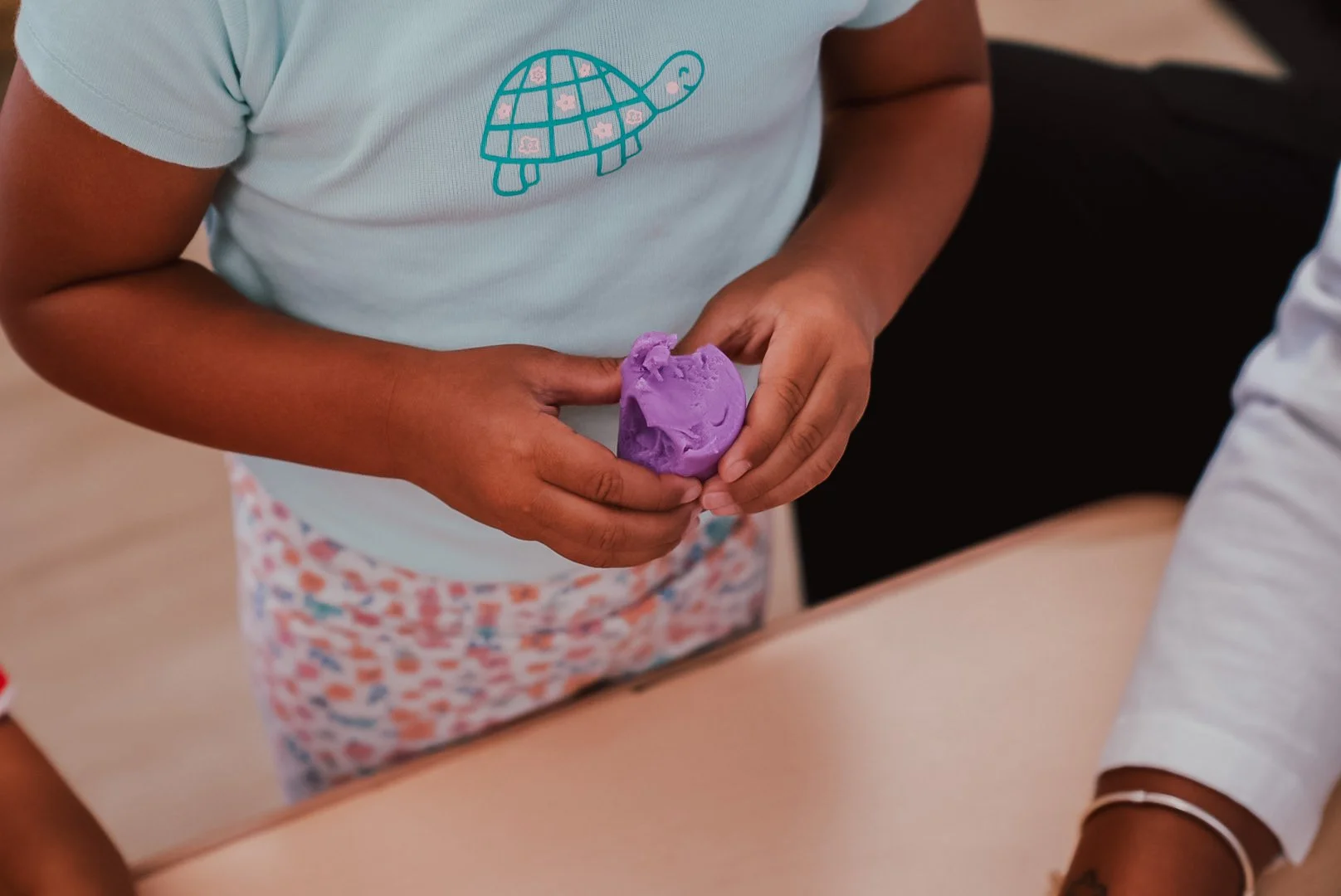
When a three-year-old stacks blocks, she is counting, balancing, and solving a problem at the same time. When two children set up a pretend grocery store, they practice letters, numbers, and taking turns without anyone handing them a worksheet. That is the idea behind play-based learning at Martlet Academy. The activity looks like play to the child, and every part of it has a purpose to the teacher.
Play-based does not mean unplanned. Our teachers decide what goes on the shelves, which questions to ask, and which skill a small group needs next. Then they step back far enough for children to lead. The result is a classroom with real structure and plenty of room to explore, which is the mix we describe as gentle structure, real-life learning, and warm guidance.
Each classroom is built around a developmental stage, not one curriculum stretched across every age. An infant needs to be held, fed on her own rhythm, and given safe things to touch. A toddler needs low shelves, repeated routines, and adults who name what is happening. A four-year-old heading to kindergarten needs longer focus, more independent work, and practice with the routines of a school day.
Because Martlet Academy is a small, independently owned program with smaller group sizes, teachers know each child well enough to notice when a challenge is too easy or too hard. They adjust the next activity instead of teaching to the middle of the room.
Play-based learning also protects something parents care about as much as academics, which is how a child feels about school. Children who enjoy learning tend to keep asking questions, and that habit follows them into kindergarten and beyond.
What Children Gain From a Day of Play
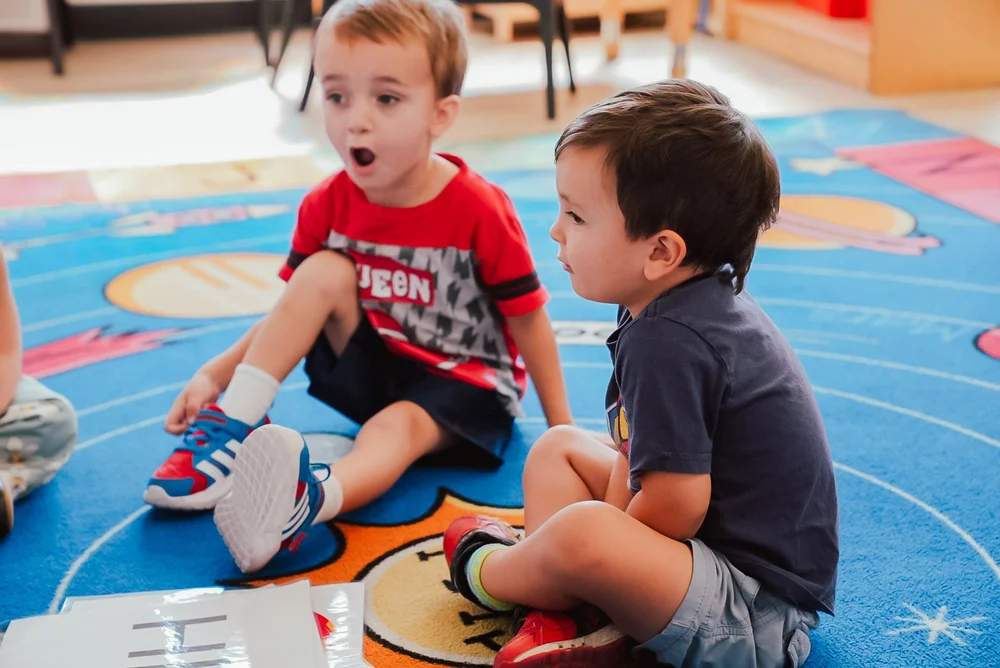
A full day of what looks like simply playing adds up to a set of skills that matter in kindergarten.
Language and Early Literacy
Read-alouds, letter games, songs, and name writing build the pre-reading skills children need long before formal instruction begins. Toddlers hear teachers narrate the day, which gives them the words to describe their own world.
Number Sense
Blocks, sorting, counting games, and pretend shopping give children hands-on practice with counting and with comparing, such as more and less.
Social Skills
Sharing materials, waiting for a turn, and working through a small disagreement with words are practiced daily through cooperative play, classroom jobs, and group problem solving.
Emotional Regulation
Teachers name feelings out loud, offer simple choices, and give children space to calm down with support nearby. Over time, children learn to meet big feelings with words.
Movement and Fine Motor Skills
Outdoor and gross motor play builds stamina and balance, while art, sensory bins, and small materials strengthen the hands for writing.
Independence and Focus
Serving themselves at meals, putting materials away, and finishing a short task alone build the work habits kindergarten expects.
Play-Based Learning From Infancy Through After School
The same idea looks different in every classroom.
Infant, 6 Weeks to 1 Year
Play is tummy time, soft textures, sounds, simple toys, and quiet one-on-one time with a caregiver. Caregivers follow each baby’s cues and routine, not a clock.
Learn more →Toddler, 1 to 2 Years
Guided play, sensory bins, songs, story time, and outdoor movement in short bursts that match a toddler’s attention span. Classrooms are set up at toddler height so children can reach and choose.
Learn more →Preschool, 3 to 4 Years
Learning centers, art, blocks, books, and dramatic play, plus small-group games that build letter and number skills without worksheets or rote memorization.
Learn more →Kinder Prep, 4 to 5 Years
Hands-on literacy and math blocks, short periods of independent practice, science and art projects, and outdoor play. More structure, still built around games and hands-on materials.
Learn more →After School, Kindergarten to About 6th Grade
Homework time with support, then free play, games, arts and crafts, and outdoor time. Older children get more choice in how they spend unstructured time.
Learn more →What Pediatric and State Guidance Say About Play
Our approach is not only a preference. In 2018 the American Academy of Pediatrics published a clinical report titled The Power of Play. It describes play as central to healthy development and a key to building executive function skills such as focus, planning, and self-control. The report also notes that play can buffer children against the effects of stress, and it encourages educators, pediatricians, and families to protect playful learning in preschools and schools.
Nevada also publishes Pre-Kindergarten Standards that describe what children are working toward before they start kindergarten. The standards apply across early childhood settings, including child care centers. We encourage parents to read them and to ask any program how its daily activities connect to the skills they describe.
None of this means that more play is automatically better, or that skills are left to chance. A good play-based program plans carefully, watches each child closely, and shares what it sees with parents. That is the standard we hold ourselves to.
What to Look for When You Visit Any Preschool
Use these on a tour of Martlet Academy or anywhere else. We are glad to answer every one of them.
Children Choosing and Doing
Look for children moving between centers, building, drawing, and talking, not seated in rows for long stretches.
Teachers at Child Level
Teachers should be talking with children, asking open questions, and joining play, not only supervising from across the room.
A Room Set Up on Purpose
Low shelves, labeled materials, books within reach, and clear areas for art, blocks, and quiet time show that someone planned the space.
Outdoor Time and Rest
Ask how much time children spend outside and how rest time works for each age group.
Progress You Can See
Ask how teachers track each child’s skills and how often families hear about them. We share updates through the Brightwheel app.
Small Groups
Ask about group sizes and ratios. Smaller groups let teachers notice who needs a challenge and who needs help.
What Families Say About Us
A recent review from a Martlet Academy parent, quoted exactly as written on Google.
“The staff celebrates your kid’s wins and is comforting for the losses. The director, Rosaly, puts her heart and soul into the school and it shows in every way.”
Karli N.
Parent of a Martlet toddler
Google review,
Frequently Asked Questions
Play-based learning is an approach where children build skills through hands-on, self-directed play that teachers plan with a purpose. A block tower becomes practice in counting and balance, and a pretend store becomes practice in letters, numbers, and turn-taking.
No. Our classrooms follow predictable routines, and teachers plan activities around specific skills. The structure is gentle, which gives children room to explore while they still know what comes next.
Our Preschool and Kinder Prep programs build early literacy, number sense, independent work habits, and classroom routines. Kinder Prep adds dedicated literacy and math blocks, and families receive regular progress updates so there are no surprises heading into kindergarten.
Our Preschool classrooms build letter and number skills through games, songs, and hands-on materials rather than worksheets or rote memorization. In Kinder Prep, children also practice working independently for short periods, but lessons stay built around games and hands-on materials and not long stretches of seatwork.
For infants, play means tummy time, sensory play with safe materials, quiet bonding time with a caregiver, and rest on each baby’s own schedule. Caregivers follow the baby’s cues instead of forcing activities at set times.
Teachers respond with patience. We name feelings out loud, offer simple choices to restore a sense of control, and give children space to calm down with support nearby. Older children practice resolving small conflicts with words.
Outdoor or gross motor play is part of the day in our Toddler, Preschool, Kinder Prep, and After School programs. Ask us on a tour for the current routine in your child’s classroom.
Teachers track each child’s progress and share it through the Brightwheel app, which also shows photos, activities, and daily notes. In Kinder Prep, families also receive a summary of skills across literacy, math, and independence.
Yes. Martlet Academy operates under Nevada child care license #4866-26, which covers facility safety, staff training, background checks, and staff-to-child ratios. You are welcome to ask to see the license during a tour.
Call (702) 608-8177 or book a tour through our website. Tours typically take twenty to thirty minutes, and you will see the actual classroom your child would join, meet the teachers, and have time for questions.
Where This Information Comes From
Written by the Martlet Academy team and last reviewed in November 2026. Outside rules change, so use these original sources for the latest details.
Helpful Guides for Parents
More plain answers to common questions.
Pre-K in Las Vegas
Read the GuideA Day at Martlet Academy
Read the GuideKindergarten Readiness in Clark County
Read the GuideVisit Martlet Academy in Las Vegas
Our single campus is at 6940 Edna Ave, in the 89117 area on the west side of the valley. Use the map to plan your drive, then book a tour to see the classrooms.
Martlet Academy
6940 Edna AveLas Vegas, NV 89117
(702) 608-8177
- Monday to Friday6:30 AM to 6:00 PM
- Saturday8:00 AM to 6:00 PM
- SundayClosed
See Play-Based Learning in Person
The best way to understand play-based learning is to watch it. Schedule a tour, visit the classroom for your child’s age, and ask us anything.
Schedule a Tour or call (702) 608-8177 we'd love to meet youMartlet Academy is licensed by the State of Nevada. Nevada child care license #4866-26.